Tokyo — Living With Heat
Japan, 2025
Tokyo has warmed by 3°C over the past century – twice the national average1
These images are drawn from a photo essay exploreing how the city’s people and infrastructure are responding to rising heat
1. Fujibe, F. (2016) ‘Urban warming in Japanese cities and its relation to climate change monitoring’, Science of the Total Environment, 571, pp. 1552–1559. Available at: https://doi.org/10.1016/j.scitotenv.2016.06.045.
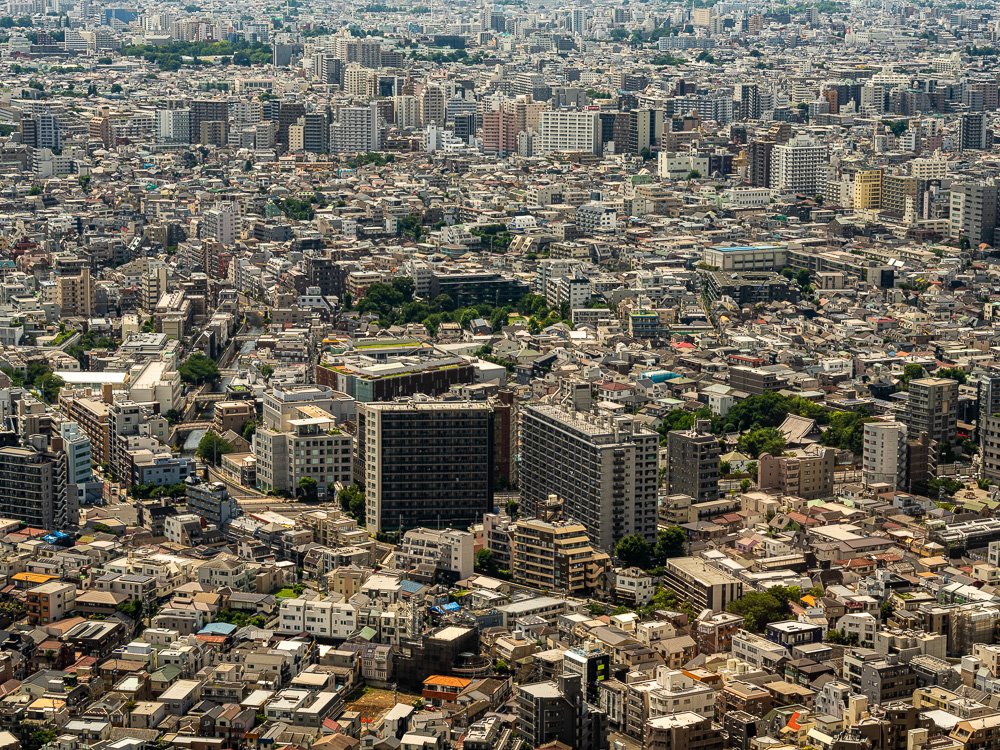
Tokyo on a sweltering summer day.
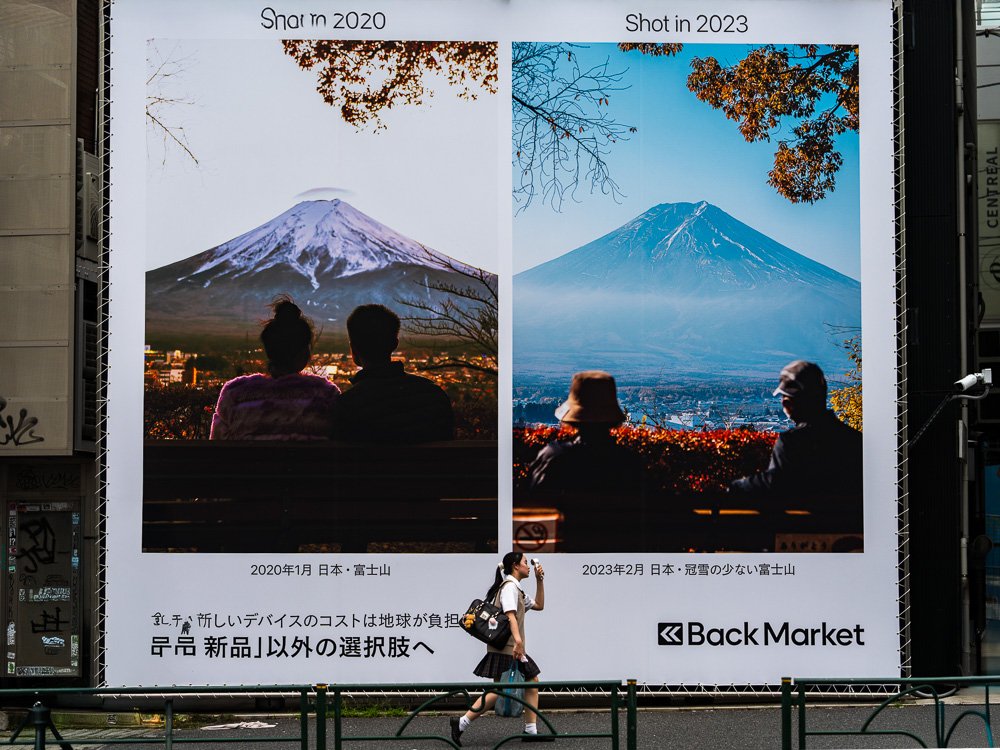
Climate as marketing. A technology refurbishment company uses heat messaging to connect with potential customers.
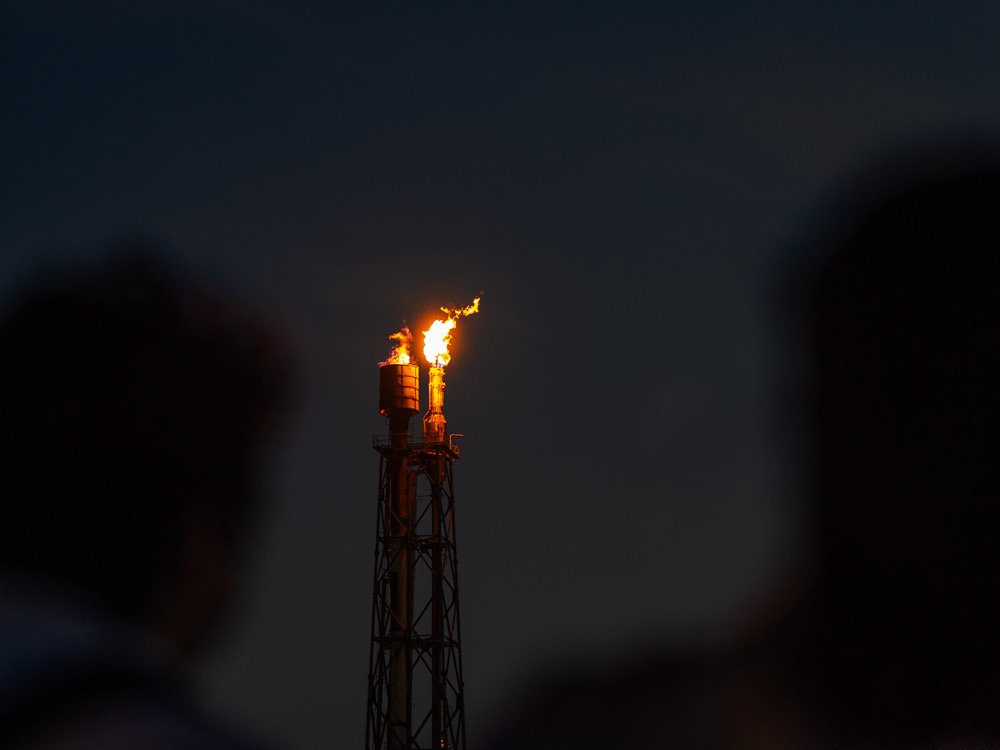
Heat from production. Factories and industrial facilities (as seen here in nearby Yokohama’s industrial precinct) add to local warming through constant heat release.
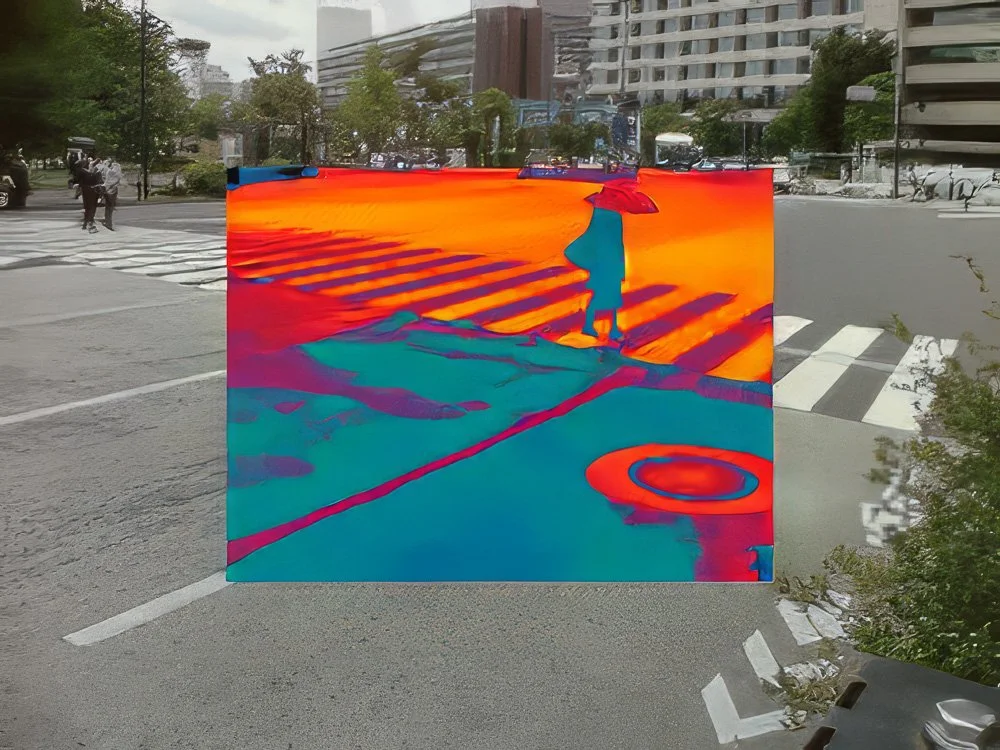
Smarter streets. New, reflective road surface in the foreground, normal in the background. Composite image of normal and thermal images.
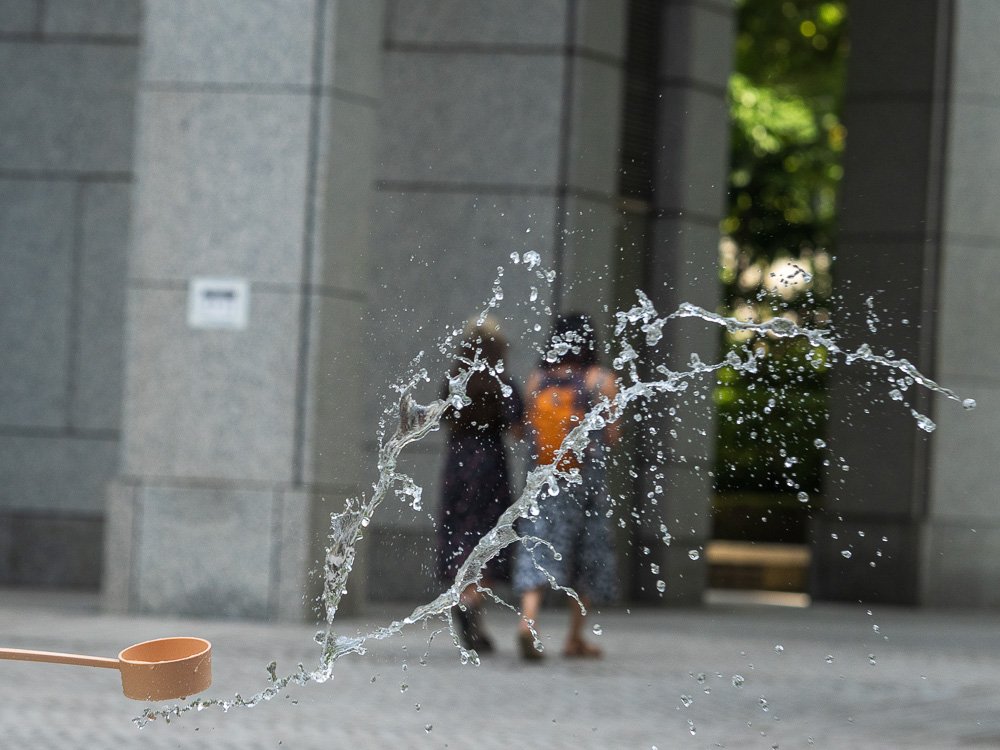
Uchimizu. The traditional act of water sprinkling to cool surfaces.

Water wall at Roppongi Hills. Running water helps to reduce ambient heat.
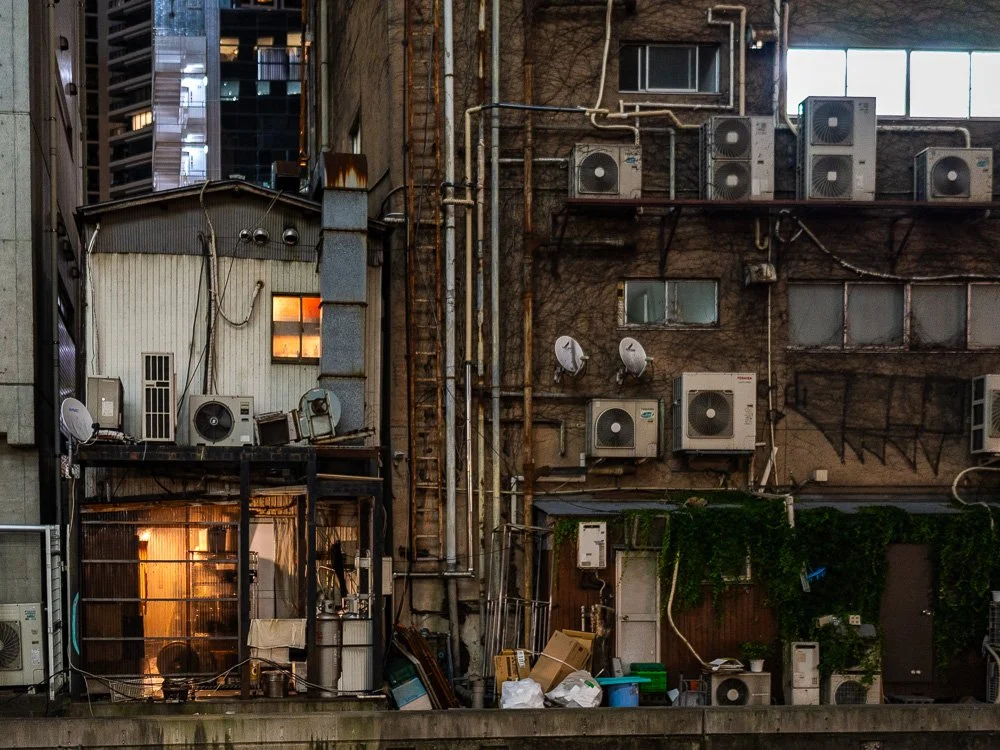
Every wall is a heater. Cooling the indoors means heating the outdoors — one unit at a time.
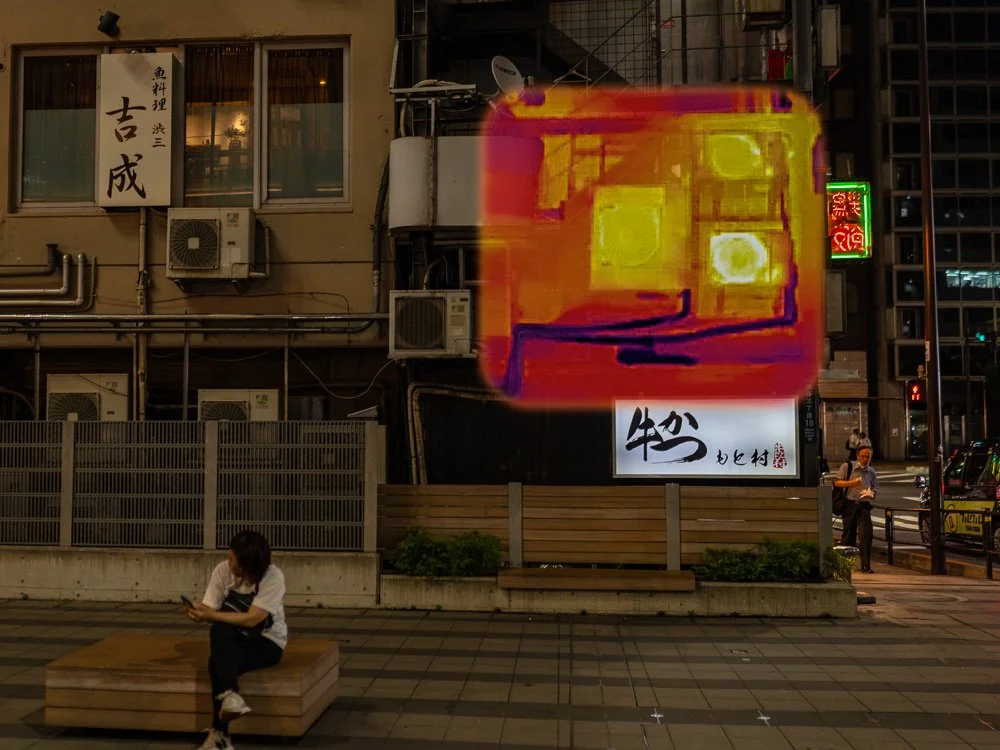
Air conditioners – a solution and problem. 10.11 pm: While people rest below, air conditioners quietly pump 55°C heat into the Tokyo night while coolant flows into buildings at 12°C